

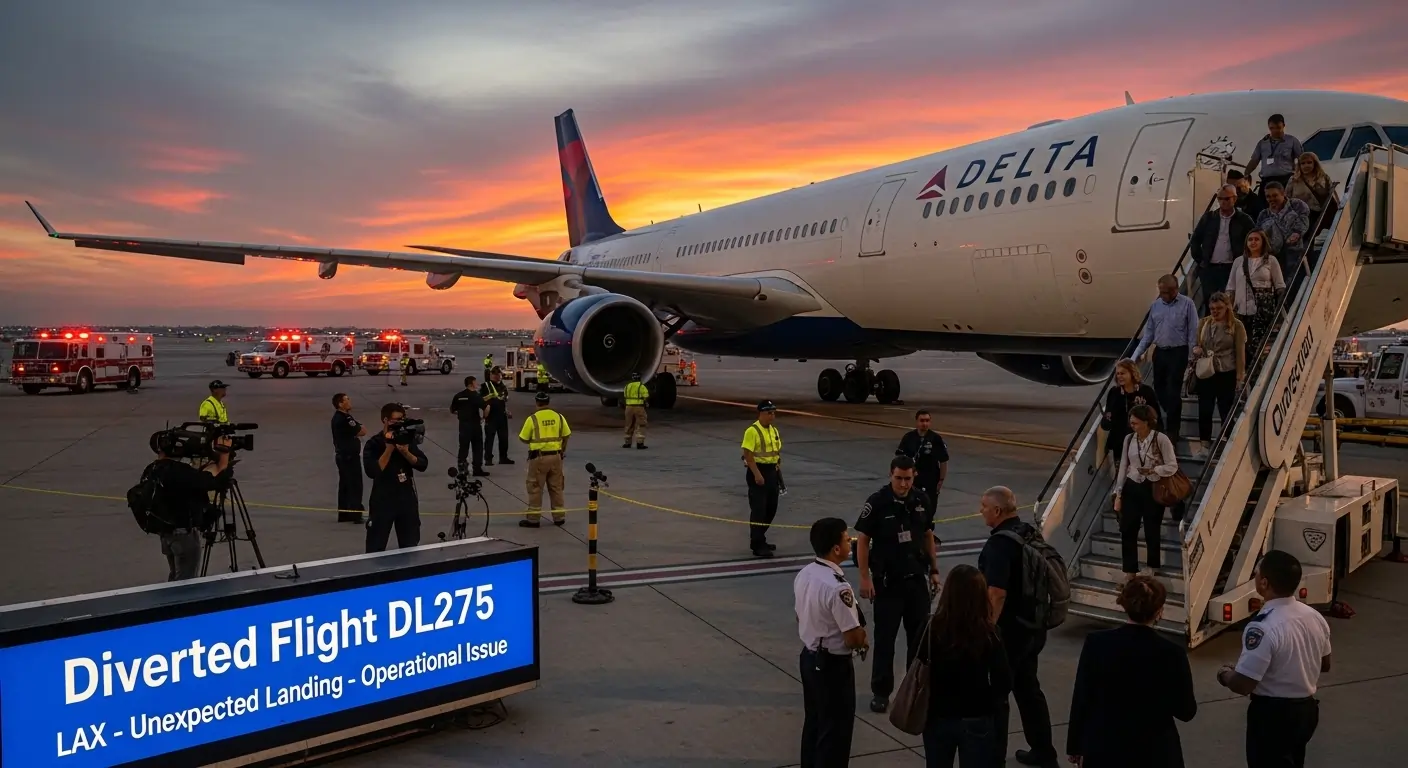
On May 27, 2025, Delta Air Lines Flight DL275, originally destined for Tokyo Haneda (HND) from Detroit Metropolitan (DTW), experienced an unexpected diversion to Los Angeles International Airport (LAX) after encountering a technical issue mid-flight. This article explains everything you need to know about the flight diversion, including the cause, passenger experience, aviation safety insights, and answers to frequently asked questions (FAQs).
1. Flight Overview: Delta DL275
Key Flight Information
- Airline: Delta Air Lines
- Flight Number: DL275
- Route: Detroit (DTW) → Tokyo (HND)
- Aircraft Type: Airbus A350-900
- Diversion Airport: Los Angeles International Airport (LAX)
- Date of Incident: May 27, 2025
- Flight Duration Before Diversion: Approximately 5 hours
Delta Flight DL275 was a long-haul flight scheduled to depart from Detroit and head directly to Tokyo. However, mid-flight, a significant technical issue prompted the crew to divert the flight to Los Angeles for safety and precautionary reasons.


2. Cause of the Diversion: Technical Failure in the Engine Anti-Ice System
What Happened Mid-Flight?
The main reason for the diversion of Delta Flight DL275 was a failure in the engine anti-ice system. This system is crucial in preventing ice from building up on vital engine parts, particularly during high-altitude flight. The malfunction could have led to engine performance issues if not addressed.
What Does the Anti-Ice System Do?
The engine anti-ice system works by directing hot air from the engine to keep critical engine parts free from ice. If the system fails, there is a potential risk that ice could form on parts of the engine, affecting the engine’s performance. Pilots made the decision to divert to LAX after assessing the risk, ensuring that no further complications would arise during the flight.
3. Why LAX Was Chosen as the Diversion Airport
Why Not a Closer Airport?
Although there were other airports closer to the aircraft’s location, including Seattle and Anchorage, LAX was chosen due to several factors:
- Available Airbus A350-900 maintenance facilities
- Delta operational support at the airport
- Passenger service options and airport infrastructure
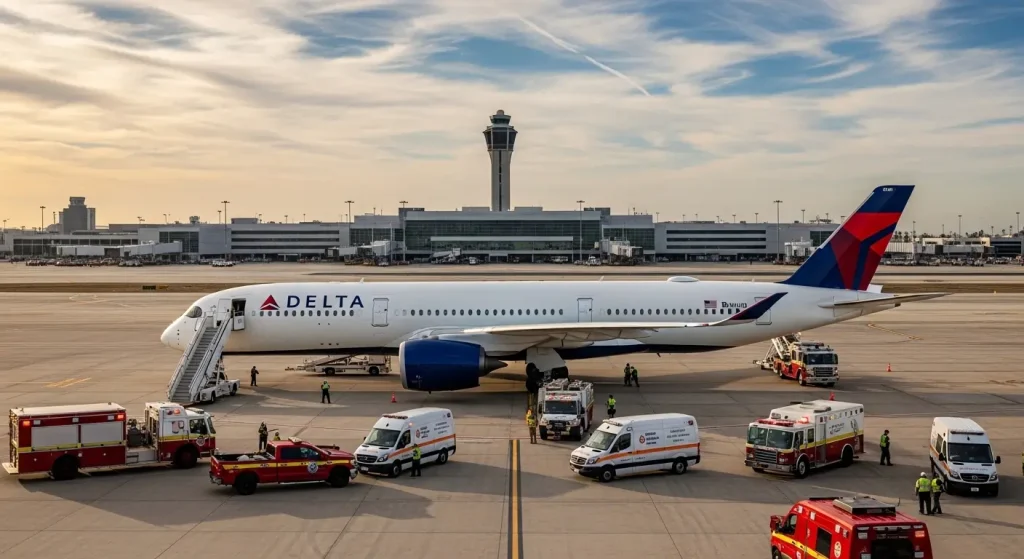
LAX was the most suitable choice for an emergency landing because of its capacity to handle the aircraft’s requirements, ensuring a smooth process for both repairs and passenger rebooking.
4. Passenger Experience: What Happened Onboard?
In-Flight Communication
While onboard, passengers were kept informed by the flight crew about the nature of the technical issue. Despite the situation, the flight crew remained calm and professional, reassuring everyone that the situation was under control. There was no immediate danger, and the crew followed standard aviation protocols.
Passenger Support at LAX
Once the aircraft touched down safely at LAX, passengers were assisted by Delta staff, who quickly arranged:
- Rebooking options for those with connecting flights
- Meal vouchers and accommodation for affected travelers
- Transportation for passengers to nearby hotels or facilities
Most passengers reported a smooth transition and a high level of customer service throughout the diversion process.
5. Safety Protocols and Aviation Insights
Is This a Common Occurrence?
Flight diversions are not overly common but are a standard safety procedure when dealing with technical issues, such as the one that occurred with DL275. Diversions prioritize the safety of passengers and crew, and pilots are trained to manage these situations calmly and effectively.
Safety First: Why Diverting Was the Best Choice
In the case of Delta Flight DL275, the decision to divert was based entirely on safety. Aircraft like the Airbus A350-900 come with multiple redundant systems to ensure flight safety, and the diversion was a way to mitigate any potential risks from a malfunctioning anti-ice system. Aviation safety experts agree that the decision was entirely appropriate.
6. Impact of the Diversion: Operational and Public Reaction
Operational Impact
A flight diversion often leads to:
- Extra fuel consumption
- Additional maintenance checks and repairs
- Flight delays for passengers
- Passenger compensation or rebooking
For Delta, such diversions are managed with minimal disruption, though there may still be noticeable impacts on the airline’s operations and finances in the short term.
Public and Media Coverage
As news of the diversion spread, it attracted attention from aviation communities and mainstream media. It served as a reminder of the importance of safety protocols, and Delta’s handling of the situation received positive feedback for its swift response and clear communication.
7. FAQs (Frequently Asked Questions)
Q1: Why did Delta Flight DL275 get diverted?
Delta Flight DL275 was diverted due to a malfunction in the engine anti-ice system. The failure of this critical system prompted the crew to safely divert to Los Angeles International Airport for precautionary reasons.
Q2: Was it a real emergency?
While the aircraft experienced a technical issue, it was not an emergency in the traditional sense. The diversion was a precautionary measure to ensure the continued safety of the flight.
Q3: Did any passengers get injured during the diversion?
No injuries were reported. The aircraft landed safely, and passengers were treated well by Delta staff after the diversion.
Q4: What aircraft was involved in the diversion?
The aircraft involved was a Delta Airbus A350-900, a modern and reliable aircraft that is well-equipped with safety systems.
Q5: Can passengers get compensation for the diversion?
Delta typically offers compensation in the form of meal vouchers, rebooking on other flights, or hotel accommodations if the diversion significantly disrupts travel plans. However, eligibility may depend on individual circumstances and travel insurance.
Conclusion: Delta Flight DL275 Diversion Reaffirms Safety Standards
The diversion of Delta Flight DL275 to LAX was a clear example of the airline prioritizing passenger safety above all else. While the diversion disrupted travel plans, it allowed for a smooth and safe resolution to an in‑flight technical issue.
Aviation experts and passengers alike have praised Delta’s crew for their professionalism in managing the situation. While diversions can be unsettling, they are a vital part of ensuring that air travel remains one of the safest modes of transportation available today.