
Persian cats are among the most beloved and recognizable breeds in the world. Their distinctive looks, which include long, luxurious fur and gentle personalities, make them highly sought after as pets. If you are passionate about these magnificent creatures and are interested in starting your own Persian cattery, this guide will walk you through the essential steps of breeding, raising, and caring for Persian cats, including popular varieties such as the chinchilla Persian cattery and doll face Persian cattery.
1. What is a Persian Cattery?
A Persian cattery is a facility dedicated to breeding and raising Persian cats. Catteries are responsible for ensuring the health, well-being, and proper care of these cats while also focusing on preserving breed standards. While traditional Persian cats are known for their “flat” faces, Persian breeders often specialize in subtypes such as the chinchilla Persian cattery, known for its stunning silver or golden coats, and the doll face Persian cattery, which features a rounder, softer face that resembles a doll’s.


2. Why Choose Persian Cats for Your Cattery?
The Appeal of Persian Cats
Persian cats are highly regarded for their beauty and affectionate temperament. They are known for their calm and gentle personalities, making them ideal companions. Starting a Persian cattery can be a rewarding venture, as demand for these cats continues to grow, particularly for specialized types like the chinchilla Persian cattery and the doll face Persian cattery.
Unique Characteristics of Persian Cats
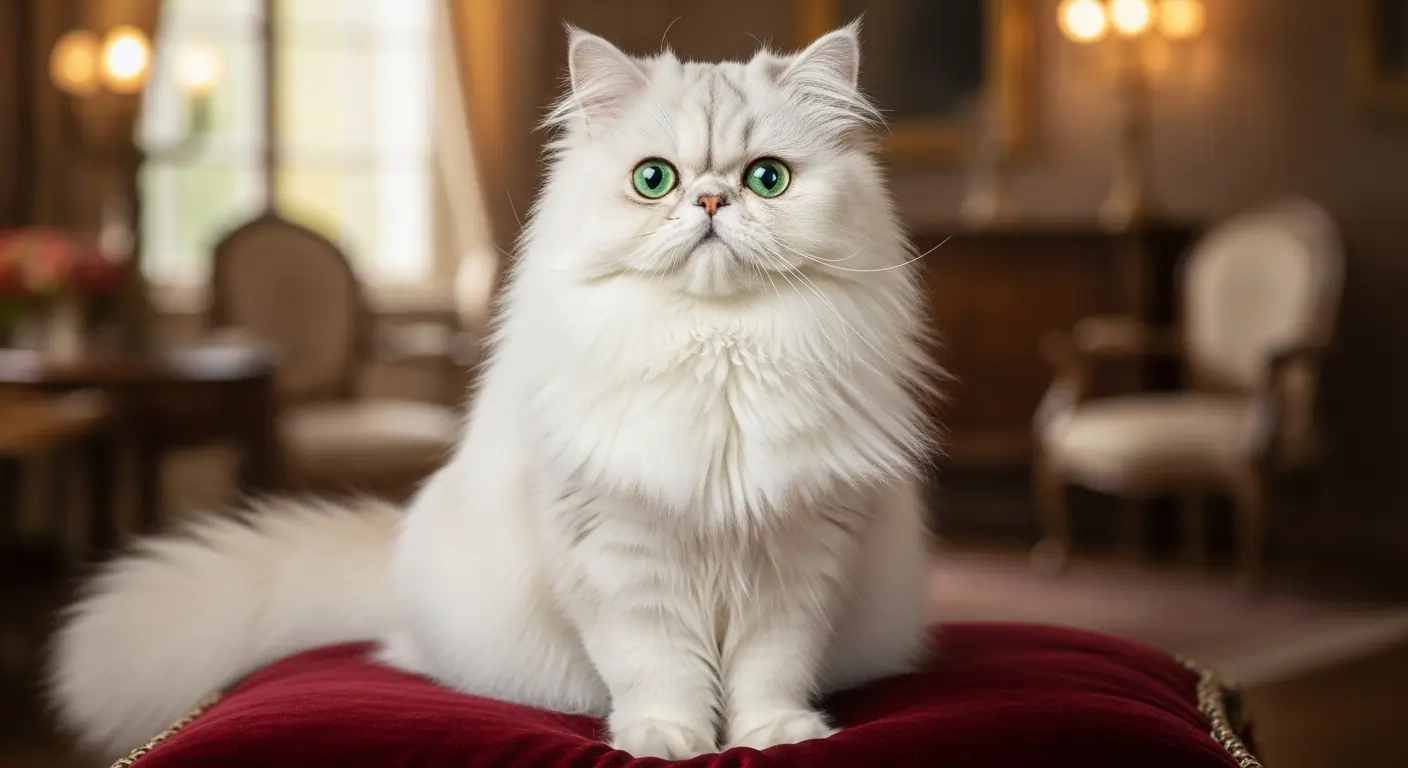
Persians are characterized by their luxurious fur, large, round eyes, and quiet, laid-back personalities. The chinchilla Persian cattery, for instance, is known for its silver or golden-coated cats that sparkle under the light, while the doll face Persian cattery features cats with a rounder face and large, expressive eyes that resemble a classic doll.

3. Setting Up Your Persian Cattery: What You Need to Know
Choosing the Right Location
Setting up a Persian cattery requires careful planning. You will need to choose a clean, spacious, and quiet area where the cats can thrive. This location should offer enough space for cats to roam and relax, with separate areas for sleeping, eating, and play.
Creating a Safe and Comfortable Environment
For any cattery, especially one focused on a breed as specific as the Persian, ensuring a clean, safe environment is essential. Persian cats, including those in chinchilla Persian cattery or doll face Persian cattery, require well-maintained areas where they can feel secure. You will need to provide comfortable bedding, proper ventilation, and ample space for them to move around freely.
4. Understanding the Persian Cat Breed Standards
Physical Traits
Persian cats come in various types, each with unique characteristics. In a Persian chinchilla cattery, the cats have a luxurious, shiny coat, usually in silver or gold. The doll face Persian cattery focuses on producing Persians with a round face and softer expression, a more traditional appearance compared to the flat faces of modern Persians.
Temperament and Behavior
Persian cats are generally calm, affectionate, and enjoy a quiet environment. These traits make them excellent companions for people of all ages. In a Persian cattery, whether it’s a chinchilla Persian cattery or a doll face Persian cattery, you will find that the cats are typically easy-going, but they do require daily care, including grooming and socialization.
5. Breeding Persian Cats: A Step-by-Step Guide
Selecting the Right Breeding Pairs
When breeding Persian cats, the key is choosing healthy, genetically compatible breeding pairs. This is crucial in a Persian cattery to ensure the kittens are healthy and meet breed standards. If you’re working with a chinchilla Persian cattery, select breeding pairs with exceptional coat quality; in a doll face Persian cattery, ensure the face shape and other characteristics meet breed standards.
The Mating Process
Breeding Persian cats involves introducing a male and female at the right time in the female’s cycle. For optimal results, breeders often work closely with veterinarians to ensure the health of both the male and female cats. It’s important to monitor their health and behavior throughout the process.
Pregnancy and Kitten Care
Pregnant Persian cats require extra attention to ensure a healthy pregnancy. A Persian chinchilla cattery or a doll-face Persian cattery should provide a quiet, comfortable space for the mother to rest. After birth, kittens should be kept in a warm, safe environment and monitored for their development.
6. Caring for Persian Cats: Daily Responsibilities
Grooming
One of the most significant aspects of caring for Persian cats, especially those in a chinchilla Persian cattery, is regular grooming. Persian cats have long, luxurious coats that require daily brushing to prevent tangles and mats. Grooming is essential for their overall health and appearance, ensuring their coat remains soft, shiny, and knot-free.
Feeding
Proper nutrition is critical for Persian cats, whether in a chinchilla Persian cattery or a doll face Persian cattery. You should feed them high-quality, breed-specific food that supports their health and enhances their coat. Proper feeding is essential for maintaining their energy levels and overall well-being.
Health Care
Routine veterinary check-ups are essential for Persian cats. As a breeder, it is your responsibility to monitor for common health issues, such as respiratory problems associated with their flat faces (especially in doll-face Persian catteries), as well as kidney disease, which can be prevalent in some Persian lines. Regular check-ups and vaccinations help prevent serious health problems.
7. Socializing and Training Persian Kittens
Early Socialization
Kittens should be socialized early to ensure they grow into well-adjusted adults. A Persian cattery, whether a chinchilla Persian cattery or a doll face Persian cattery, should introduce kittens to various environments, sounds, and human interactions to prepare them for life in a new home.
Basic Training
Training Persian kittens to use the litter box and to handle routine grooming is essential. Start early, as these cats are often more relaxed about handling as kittens than they are as adults.
8. Dealing with Common Health Concerns in Persians
Respiratory Issues
Persian cats, especially those with shorter faces like those in the doll-face Persian cattery, may suffer from respiratory problems. Regular vet check-ups, proper care, and clean living conditions can help manage these issues and ensure a longer, healthier life.
Kidney Disease and Other Issues
Persians, particularly those bred in a chinchilla Persian cattery, may be more prone to kidney disease. Ensuring your cats are fed a balanced diet and monitored regularly can help prevent this condition.
9. Finding Homes for Your Persian Kittens
Adoption Process
Once the kittens are ready for adoption, it’s essential to ensure that they go to responsible, loving homes. For a Persian cattery, you may want to thoroughly vet potential adopters to ensure they understand the commitment required to own a Persian cat.
Licensing and Legal Considerations
Before starting a Persian cattery, it’s important to research the legal requirements in your area. Depending on your location, you may need specific licenses or permits to operate a cattery. Always ensure you comply with local regulations to avoid legal issues.
10. Ethical Breeding Practices
As a Persian breeder, ethical practices should always be at the forefront of your business. This means maintaining your cats’ health and welfare, avoiding inbreeding, and ensuring that every kitten is raised in a healthy, caring environment. Whether you’re operating a chinchilla Persian cattery or a doll face Persian cattery, responsible breeding practices are essential to maintaining the integrity of the Persian breed.
11. Conclusion: Running a Successful Persian Cattery
Starting and operating a Persian cattery can be a rewarding venture, especially if you’re dedicated to the health, well-being, and quality of the Persian cats you breed. By specializing in types like the chinchilla Persian cattery or doll face Persian cattery, you can create a niche for yourself while ensuring that every cat you produce is healthy, happy, and ready for adoption.
With careful planning, regular care, and ethical breeding practices, your Persian cattery will thrive, providing beautiful and well-loved Persian cats to families for years to come.